The Story
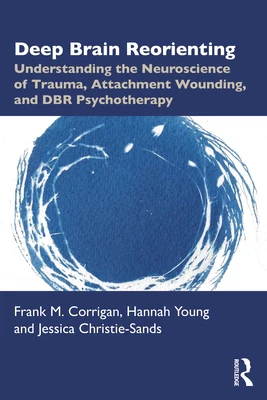
Deep Brain Reorienting introduces a novel, evidence-based approach to the treatment of trauma-related disorders. Steeped in neuroscience, this book builds on recent scientific contributions to the effects of shock, trauma, and neglect on the brain at the deepest levels. Enhanced by detailed case material and underpinned by a strong theoretical framework, the authors give special attention to clinically significant forms of dissociation, as well as attachment wounding and its treatment. This neurobiologically informed focus offers fresh perspectives, reaching beneath the level of cognitive, affective, and defensive components of traumatic responding.
Written at the interface of neuroscience and psychotherapy, this book will be invaluable to psychotherapists whose clinical practice is calling for new ways to work with the effects of traumatic experiences. In addition, several hypotheses will appeal to research-oriented psychotherapists and clinically-led researchers in a range of fields.
Author: Frank M. Corrigan,Hannah Young,Jessica Christie-Sands
Publisher: Routledge
Published: 12/30/2024
Pages: 240
Binding Type: Paperback
Weight: 0.79lbs
Size: 9.00h x 6.00w x 0.56d
ISBN: 9781032556253
About the Author
Frank M. Corrigan, MD, FRCPsych, is an independent psychiatrist in private practice in Scotland. He is the developer of Deep Brain Reorienting.
Hannah Young, PhD, is a chartered psychologist and psychotherapist working in private practice in Dundee and St Andrews, Scotland, specialising in attachment wounding and dissociative disorders.
Jessica Christie-Sands, PhD, is a chartered psychologist and clinical director of a multidisciplinary psychology service that provides therapeutic work for children, young people, and adults with histories of developmental trauma.
Description
Deep Brain Reorienting introduces a novel, evidence-based approach to the treatment of trauma-related disorders. Steeped in neuroscience, this book builds on recent scientific contributions to the effects of shock, trauma, and neglect on the brain at the deepest levels. Enhanced by detailed case material and underpinned by a strong theoretical framework, the authors give special attention to clinically significant forms of dissociation, as well as attachment wounding and its treatment. This neurobiologically informed focus offers fresh perspectives, reaching beneath the level of cognitive, affective, and defensive components of traumatic responding.
Written at the interface of neuroscience and psychotherapy, this book will be invaluable to psychotherapists whose clinical practice is calling for new ways to work with the effects of traumatic experiences. In addition, several hypotheses will appeal to research-oriented psychotherapists and clinically-led researchers in a range of fields.
Author: Frank M. Corrigan,Hannah Young,Jessica Christie-Sands
Publisher: Routledge
Published: 12/30/2024
Pages: 240
Binding Type: Paperback
Weight: 0.79lbs
Size: 9.00h x 6.00w x 0.56d
ISBN: 9781032556253
About the Author
Frank M. Corrigan, MD, FRCPsych, is an independent psychiatrist in private practice in Scotland. He is the developer of Deep Brain Reorienting.
Hannah Young, PhD, is a chartered psychologist and psychotherapist working in private practice in Dundee and St Andrews, Scotland, specialising in attachment wounding and dissociative disorders.
Jessica Christie-Sands, PhD, is a chartered psychologist and clinical director of a multidisciplinary psychology service that provides therapeutic work for children, young people, and adults with histories of developmental trauma.